
Low Profile Mini Earbuds
4.4Editor score
Lightweight side-sleeper design
White-noise sleep mode
Twenty-decibel noise reduction
Earbuds for tinnitus can help mask distracting noise and provide comfort; this guide compares audio quality, noise control, fit, battery life, and features.
Earbuds for tinnitus are most useful when a listener wants softer environmental noise, consistent background audio, or a comfortable way to wind down without adding more sound pressure. The right model depends less on marketing labels than on fit, masking quality, controls, battery life, and how comfortably it remains in your ear overnight.
This guide compares ten products across sleep-focused earbuds, compact Bluetooth models, conventional active noise-cancelling earbuds, and one light-therapy device. We examined the stated specifications, including sound libraries, noise-control systems, fit, playback options, microphones, charging, app support, and suitability for side sleeping.
Each review shows what the product does best, where its trade-offs appear, and who may benefit from its particular design. Ratings reflect the supplied customer feedback rather than a personal test, while feature and availability details can change over time. Always check the current listing before purchasing.
4.4Editor score

4.2Editor score

3.5Editor score
The table below compares the ten products by design emphasis, noise-control approach, playback, and sleep-related features. It is intended to simplify the first stage of research, while the detailed reviews explain how each model may fit different listening routines.



The Ozlo Sleepbuds 2 have a 4.2 rating and stand out as a purpose-built sleep product rather than a daytime earbud adapted for the bedside. Their central strength is a steady sound shield designed to cover low rumble, including traffic, city noise, and the lower-frequency character of snoring. That makes them a compelling choice for listeners who want a predictable masking sound rather than music while resting.
We may earn a commission when you buy through this link, at no additional cost to you.
Comfort receives equal attention. Each earbud weighs 1.6 grams, sits relatively flush in the ear, and comes with four soft tip sizes. The 14-hour battery is suitable for a full night without a case recharge, while a private in-ear alarm provides a way to wake without broadcasting through a room speaker. More than 50 built-in sounds cover white noise, nature, and calm tones, and users can stream personal music or podcasts.
The Smart Case adds another layer by measuring bedroom noise, light, and temperature overnight. Its insights can reveal patterns without turning the earbuds into a complicated sleep tracker. The trade-off is that this is a more specialized and costly product than a basic Bluetooth earbud, and some listeners may not need a full sleep-optimization system. The supplied 4.2 rating also suggests experiences are favorable overall rather than uniformly perfect.
This is the strongest recommendation for someone whose tinnitus is bothersome at bedtime, particularly if partner snoring or low-frequency household noise is part of the problem. It is less compelling for all-day music, calls, and workouts because it was designed around sleep. For tinnitus relief specifically, the combination of consistent masking, low physical profile, and strong battery makes it the most coherent option here.
The masking engine emphasizes a steady sound shield rather than short, sharp sounds that could interrupt rest. Low-frequency snoring and environmental rumble are the core targets, while the timer can fade audio before switching into a masking mode.
The low weight, flush orientation, and four tip sizes are especially relevant for people who wake from pressure when a conventional earbud presses into the ear. A proper tip size also helps preserve the stability and consistency of the masking sound.
We may earn a commission when you buy through this link, at no additional cost to you.
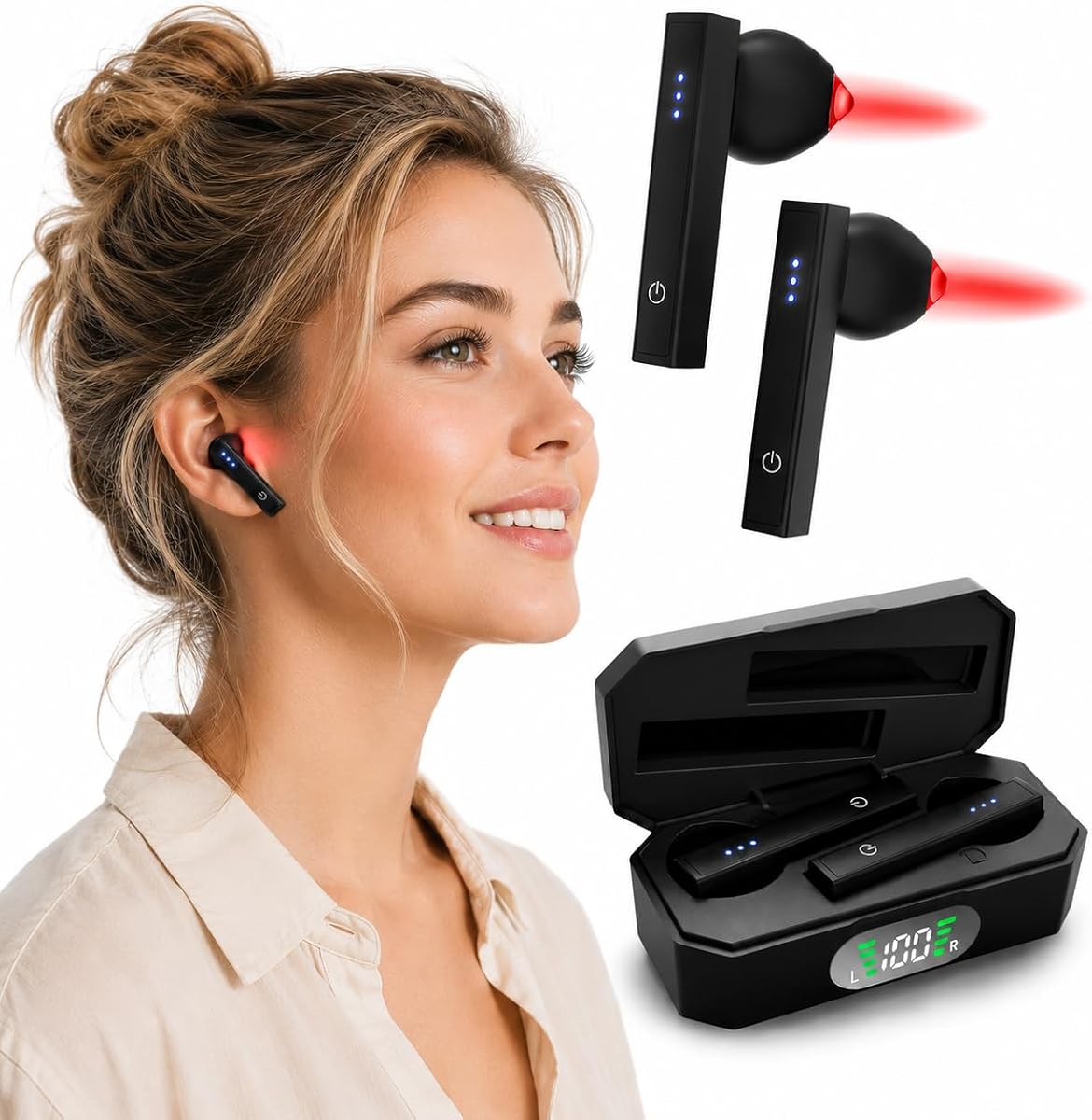
These Low Profile Mini Earbuds carry a 4.4 rating, the highest among the ten products in the supplied data. They directly target sleep, work, exercise, and tinnitus-related background-noise concerns with a low-profile design. At 2.5 grams per earbud, they prioritize discreet wear over a large audio system, making them an approachable option for users who find full-sized earbuds uncomfortable.
We may earn a commission when you buy through this link, at no additional cost to you.
The sleep mode combines white noise with 20 dB of noise reduction. That level is not comparable to the strongest active noise-cancelling systems in the roundup, but it can soften ordinary snoring, conversation, and background movement. Outside sleep mode, the earbuds provide stereo bass, an ENC microphone for calls, and compatibility with phones, tablets, laptops, televisions, and other Bluetooth devices.
The main compromise is endurance. Playback is listed at four to five hours per charge, which may not cover a full night without placing the earbuds in their case. The compact case improves portability, although the stated audio battery is clearly shorter than the overnight options from Ozlo and Soundcore. The 20 dB reduction is also useful but relatively restrained compared with advanced adaptive ANC models.
Choose these earbuds if a low cost, familiar Bluetooth format, and a dedicated white-noise function matter more than all-night battery life. They are a good first pair for daytime work and short sleep sessions, particularly for side sleepers who value a nearly invisible profile. The 4.4 rating and tinnitus-oriented feature set make them the guide's strongest budget selection.
A dedicated white-noise mode provides a familiar, broadly masking sound without requiring a separate sleep-speaker setup. It is best suited to short rests, naps, or users who charge the earbuds overnight and move between sessions with the compact case.
The flat, lightweight construction is designed to reduce the sensation of an earbud projecting outward. That geometry can make the model more comfortable for side sleeping than conventional stem-style earbuds.
We may earn a commission when you buy through this link, at no additional cost to you.
The Red Light & Blue Light Therapy device has a 4.1 rating and shares the visual form of an earbud, but it does not play music, deliver calls, or mask sound. Instead, it uses red and blue LEDs around the ear as part of a daily wellness routine. This distinction is important for readers searching specifically for earbuds that can provide background sound for tinnitus-related comfort.
We may earn a commission when you buy through this link, at no additional cost to you.
Seven operating modes include three red intensity levels, three blue levels, and an alternating red-and-blue setting. The device is hands-free, portable, and intended for uncomplicated use while reading, working, relaxing, or traveling. Its rechargeable case adds convenience, while the absence of complicated controls supports the product's easy-to-integrate self-care positioning.
Because it contains no speakers, microphones, Bluetooth radio, or playback battery figure, it cannot create white noise or block snoring. Its stated use is everyday ear comfort, relaxation, and wellness rather than diagnosed tinnitus relief. As a result, it may fit a broader self-care routine, but it should not be considered an interchangeable substitute for audio earbuds or a medical tinnitus-management device.
This product is worth considering for someone who prefers a compact wearable light routine and does not need sound masking. It is not our primary tinnitus-earbud recommendation because the core function differs from the rest of the list. Readers seeking a practical audio tool should focus on the Ozlo, mini sleep, or conventional noise-cancelling options; those seeking a simple light-therapy wearable may find this device more aligned with their needs.
Seven clearly separated modes let users vary intensity and color without navigating a complicated interface. The alternating option can be incorporated into a short routine when users want to move between the red and blue settings.
The hands-free earbud shape can be convenient during quiet activities. However, it offers no ambient sound, speech playback, calls, or environmental masking, so it serves a wellness purpose rather than an audio-listening purpose.
We may earn a commission when you buy through this link, at no additional cost to you.
The Soundcore Sleep A30 has a 3.5 rating, making it the least favorably reviewed product in the supplied set, but its feature set is unusually focused on sleep. It combines noise reduction, adaptive snore masking, sleep stories, a broad sound library, and overnight tracking. For someone seeking a comprehensive sleep-focused environment rather than a simple pair of earbuds, the design remains highly relevant.
We may earn a commission when you buy through this link, at no additional cost to you.
Its snore-masking system is described as detecting a partner's snoring in real time and playing audio to cover it. The sound library includes white noise, AI brainwave audio, and a curated selection of Calm sleep stories, while the app tracks duration, sleeping position, and snoring patterns. The 3D ergonomic design, soft silicone tips, and 3-gram weight are designed to minimize pressure for side sleepers.
The tradeoff is that several advanced features depend on the companion app, and the 3.5 rating signals that the user experience may not be as smooth as the feature list suggests. Battery figures vary by playback mode, with eight to ten hours per charge and a case that supports as many as five nights. A user who values simplicity may find the sleep reports unnecessary, while those who do not use the app may not access the full feature set.
Despite its lower rating, this is a compelling premium option for sleep-focused users who specifically want snore masking and integrated sleep data. It may be less suitable for ordinary commuting or workouts because its strengths lie in overnight routines. As a tinnitus-oriented purchase, it is best judged by whether adaptive masking and a stable, low-profile fit outweigh the more complex software experience.
Rather than relying on one fixed background track, the system is designed to detect snoring and respond in real time. This can make it more useful in a shared bedroom where the source of intermittent noise changes during the night.
Tracking sleep duration, position, and snoring patterns can help listeners connect bedroom conditions with sleep quality. The insights are most valuable when treated as general wellness information rather than a medical diagnosis.
We may earn a commission when you buy through this link, at no additional cost to you.
The TOZO NC9 carries a 4.3 rating and provides the most versatile feature set for listeners who want one earbud pair for commuting, work, exercise, and rest. Its hybrid active noise cancellation reaches a stated maximum reduction of 45 dB, while 10 mm drivers and OrigX Acoustic 2.0 technology support music, films, and calls. This makes it a practical choice when environmental noise reduction matters as much as entertainment.
We may earn a commission when you buy through this link, at no additional cost to you.
Six microphones and ENC processing support call clarity in noisy surroundings, and transparency mode lets users remain aware of their environment without removing the earbuds. The TOZO app adds 32 EQ options, noise-cancelling adjustments, and custom settings. The case display also makes remaining battery easier to monitor, while IPX8 water resistance supports an active lifestyle.
Battery life is a major strength, with the case offering up to 60 hours when ANC is off and 40 hours when it is on. However, conventional earbud geometry is less specialized for sleeping than the Ozlo or Sleep A30. The listing mentions all-night comfort, but it does not describe a built-in sleep-sound library or dedicated side-sleeping profile. Users seeking consistent white noise overnight may need to rely on streamed audio.
This is a strong all-purpose recommendation for someone who wants stronger active noise control and flexible EQ alongside comfortable listening. It can reduce distracting environmental noise during the day and provide music at night, although it does not specialize in masking. For tinnitus comfort, the adjustable ANC, transparency control, and long battery make it more versatile than many sleep-only competitors.
The hybrid ANC system and transparent mode give users two ways to manage outside sound. That flexibility is useful in offices and transit, where remaining partially aware of announcements or traffic may be important.
The case's high total playback figure reduces charging interruptions during workweeks and travel. The LED display is also more informative than a simple indicator, helping owners judge when the case needs attention.
We may earn a commission when you buy through this link, at no additional cost to you.
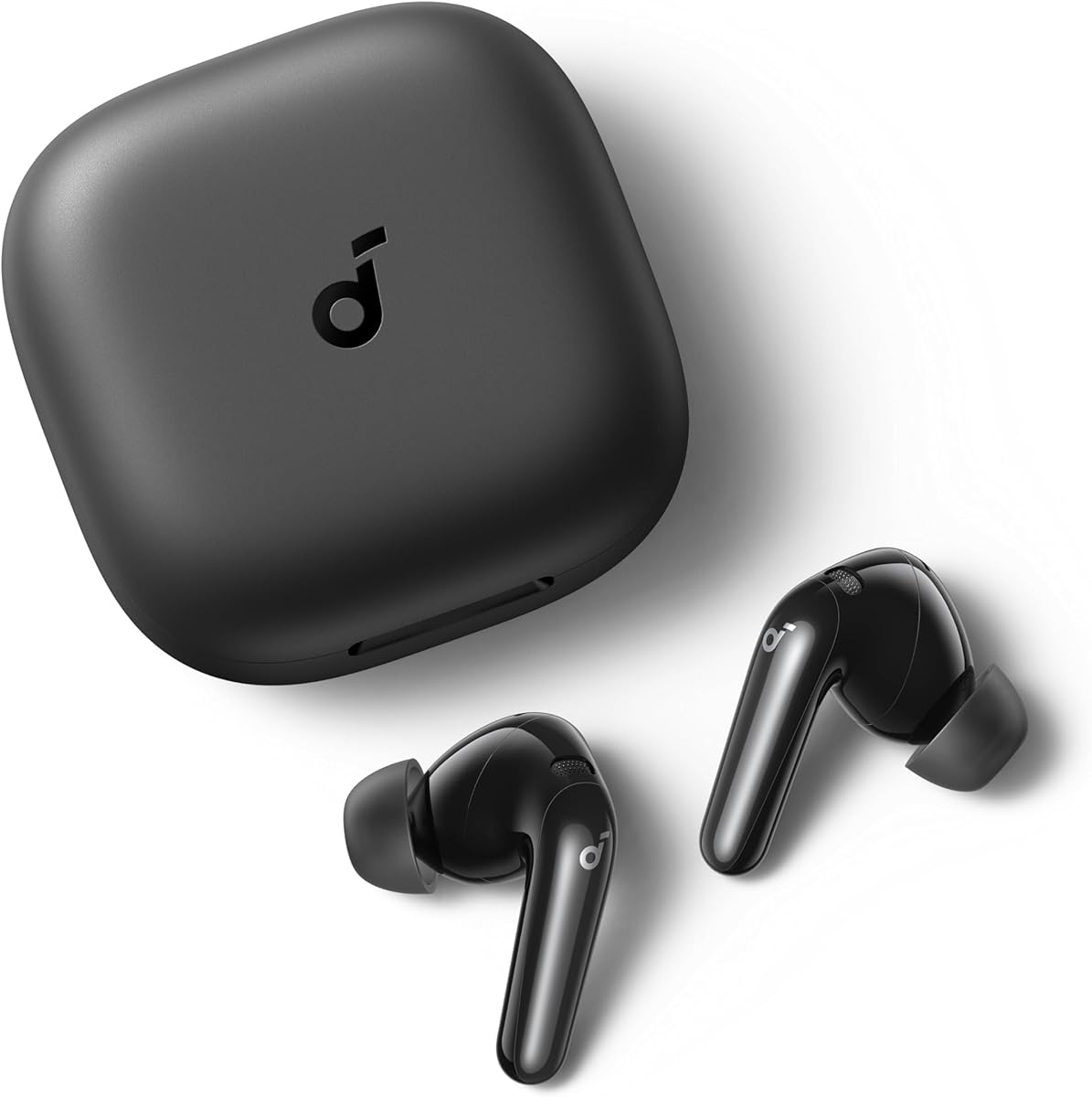
The Soundcore P31i has a 4.4 rating and brings real-time adaptive noise cancellation to a versatile everyday design. It can reduce noise by as much as 52 dB and automatically selects an appropriate cancellation level based on its surroundings. This makes it attractive for tinnitus listeners who want a dependable barrier against unpredictable environmental sound without manually changing modes.
We may earn a commission when you buy through this link, at no additional cost to you.
Hi-Res certification and LDAC support are intended for listeners who care about detail and tonal balance, while HearID, EQ modes, Spatial Audio, and adjustable ANC settings provide personalization through the soundcore app. Six AI-enhanced microphones handle voice pickup, and a wind-noise reduction algorithm supports outdoor calls. The translation feature covers more than 100 languages, though it is not directly related to tinnitus management.
Battery life is listed at up to 10 hours per charge and 50 hours with the case. With ANC enabled, the figures are eight and 40 hours, and a ten-minute charge supplies 3.5 hours of listening. As with most conventional earbuds, the design is not marketed as a side-sleeping product and there is no built-in white-noise library. It also cannot replace the specialized sleep reporting found in the Sleep A30.
Choose the P31i if adaptive ANC, detailed music, strong call handling, and app-based personalization are your priorities. It is a particularly credible option for daytime tinnitus comfort in offices, airports, and busy streets. For nighttime masking, listeners would need to stream a preferred sound and ensure a comfortable fit, making the dedicated sleep products in this guide more direct alternatives.
Real-time adaptation is useful because background noise can change quickly in transit or shared workspaces. Automatically selecting a cancellation level reduces the need to reach for controls when the environment shifts.
HearID, EQ modes, and six microphones support different priorities: comfortable tonal balance for listening and dependable voice pickup for communication. The feature set is broad without requiring a separate sleep-focused device.
We may earn a commission when you buy through this link, at no additional cost to you.
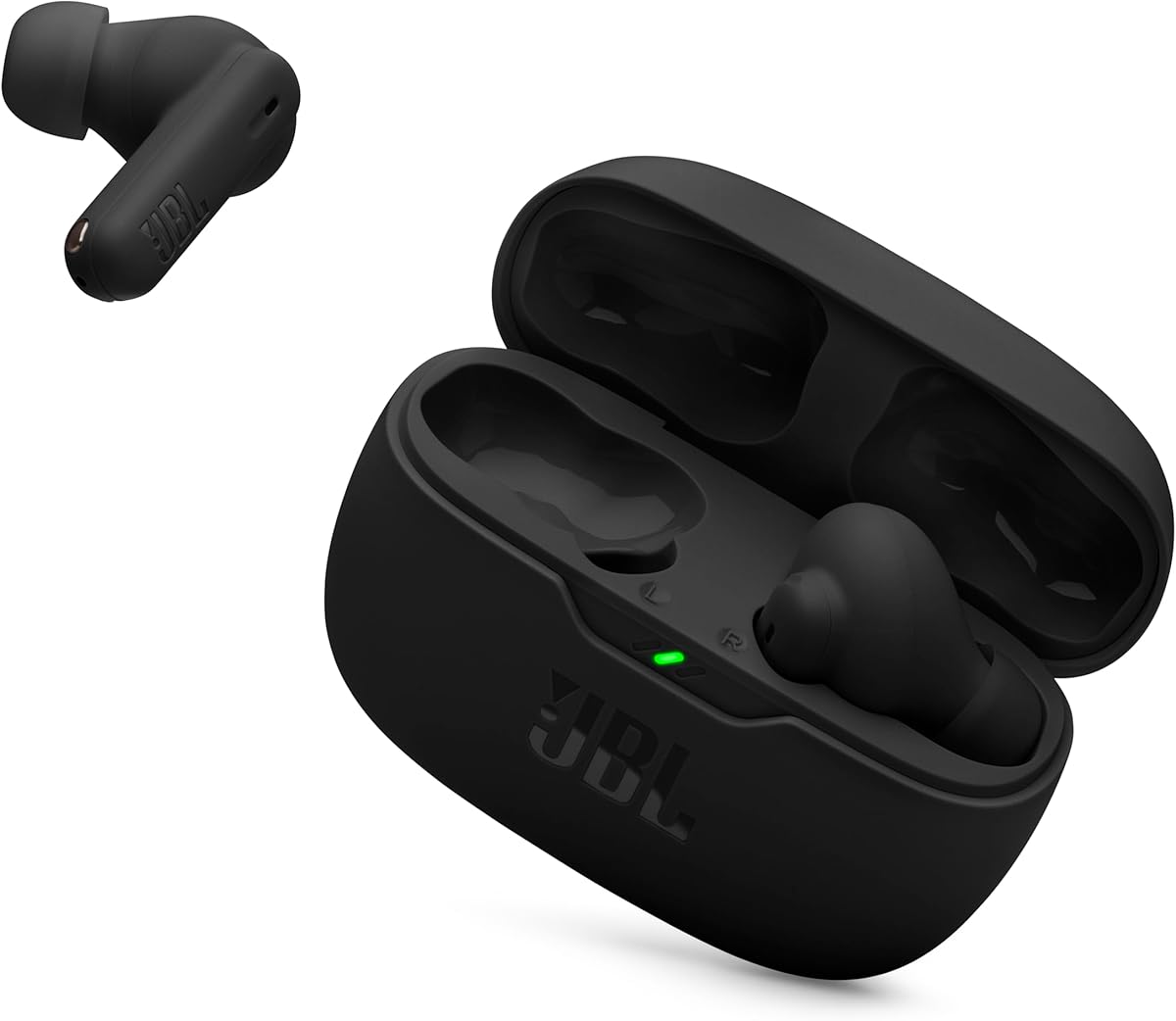
The JBL Vibe Beam 2 has a 4.1 rating and balances music performance with a modest set of noise-reduction and relaxation tools. Its 8 mm dynamic drivers are larger than those in several competing earbuds, while JBL Pure Bass gives the product a clear identity for listeners who prefer a fuller, more energetic sound signature.
We may earn a commission when you buy through this link, at no additional cost to you.
Active Noise Cancelling reduces distractions, and Smart Ambient lets users decide how much of the outside world to hear without taking the earbuds out. Four microphones support clearer calls in busy environments. In the JBL Headphones app, users can choose presets, create custom EQ, and access Relax Mode with five peaceful sounds, which adds a modest form of ambient entertainment for winding down.
The 40-hour total battery figure includes three additional case charges, while a ten-minute USB-C charge provides three hours of playback. This makes the model practical for regular commuting and travel. The trade-off is that its relaxation library is small, and the earbuds are not designed specifically for lying on one's side. Consequently, a listener seeking an all-night white-noise tool may find a dedicated sleep model more suitable.
This product fits best for people who want recognizable JBL sound, everyday ANC, and useful calls in a conventional wireless earbud. It may help reduce daytime distractions, but it does not claim to treat tinnitus. Among the roundup, it serves as a balanced option for users who prioritize music and app controls while still wanting a quiet listening environment.
The 8 mm drivers and Pure Bass tuning give music-focused listeners a reason to choose this model. Custom EQ and preset selection make it easy to adjust the tonal balance to personal preferences.
Five Relax Mode sounds are useful for brief downtime, although the selection is less extensive than the libraries offered by dedicated sleep products. Users who require a wide range of overnight sounds should look elsewhere.
We may earn a commission when you buy through this link, at no additional cost to you.
The Soundcore Space A40 has a 4.2 rating and is built around adaptive noise cancellation, long battery life, and a relatively compact shape. Its upgraded system is advertised as reducing noise by up to 98 percent, while automatic selection changes the cancellation level to match different environments. That makes it suitable for listeners who want strong environmental control during work or travel.
We may earn a commission when you buy through this link, at no additional cost to you.
Double-layer diaphragm drivers deliver strong bass, clear mids, and bright treble, with LDAC available for higher-resolution wireless listening. The soundcore app adds HearID, EQ modes, and ANC adjustment, creating a good balance of music and noise control. The design is described as smaller and lighter than earlier soundcore ANC earbuds, with an ergonomic shape intended for longer wear.
A single charge supplies up to 10 hours of playback, and the case brings the total to 50 hours. Fast charging provides another four hours after a ten-minute charge, which is particularly helpful for travel. The main limitation is that 98 percent is a broad manufacturer figure rather than a direct indication of how every frequency or real-world environment will be attenuated. There is also no tinnitus-specific sound mode or dedicated sleep tracking.
This is a well-rounded recommendation for someone who wants long-lasting adaptive ANC, polished music features, and app controls. It may be particularly effective for users who find steady background noise distracting during travel or concentrated work. If the main goal is overnight masking, a sleep-focused model offers more appropriate features, but the Space A40 is a strong all-day tinnitus-comfort option.
The earbuds assess external noise and choose a suitable level of attenuation. This automation can be helpful when moving between a home, office, street, or aircraft without needing to cycle through several manual modes.
Ten hours per charge and 50 hours with the case offer enough capacity for frequent use. A short fast charge helps preserve usability when the case is not topped up between outings.
We may earn a commission when you buy through this link, at no additional cost to you.
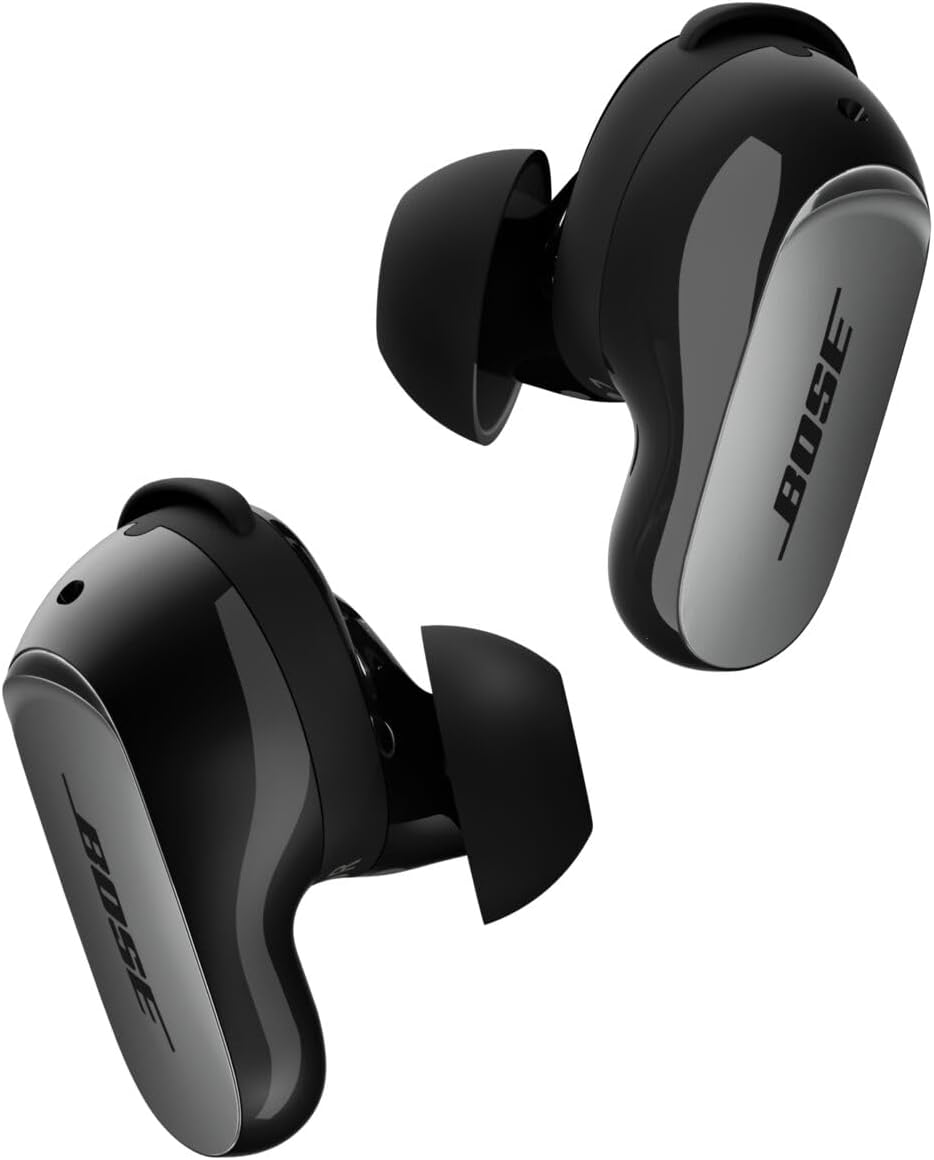
The Bose QuietComfort Ultra Earbuds have a 4.0 rating and offer the most refined conventional audio package in the roundup. ActiveSense technology smooths sudden changes in surrounding sound, while CustomTune analyzes the shape of the user's ears to adapt sound and noise cancellation. These features can make a pair of earbuds feel more consistently tailored over repeated use.
We may earn a commission when you buy through this link, at no additional cost to you.
Immersive Audio places sound beyond the conventional stereo field, and Cinema Mode balances dialogue, effects, and background sounds for video. Nine combinations of eartips and stability bands allow users to tune the seal, which matters for both comfort and the consistency of noise control. Bose also supports Bluetooth multipoint, clear calls with SpeechClarity microphones, and a charging case with both USB-C and wireless charging.
The main limitation is endurance: the listing gives up to six hours with the earbuds in Quiet or Aware mode and up to four hours with Immersive Audio. The case holds three charges, but it does not match the exceptionally long case-inclusive runtime of some competitors. There is also no dedicated white-noise or sleep-sound library, so the product is better suited to comfortable daytime listening than uninterrupted overnight masking.
Choose these Bose earbuds when sound quality, refined noise cancellation, stable fit, and seamless device switching matter most. For tinnitus-related comfort, the personalized seal and strong cancellation may be especially useful in unpredictable environments. Buyers wanting a dedicated wind-down routine should pair them with a separate sound source or consider a sleep-specific alternative from this guide.
CustomTune uses an analysis of the ear shape to adjust the in-ear response. The nine tip and stability-band combinations also help users find a seal that supports both audio consistency and comfortable extended wear.
Immersive Audio and Cinema Mode make the earbuds appealing for films, music, and other media. They broaden the product's role beyond a noise-blocking tool, though the shorter battery under immersive use is worth considering.
We may earn a commission when you buy through this link, at no additional cost to you.
The Soundcore Liberty 5 Pro has a 4.3 rating and is distinguished by a sophisticated sensor system and emphasis on voice clarity. Eight microphones and two bone-conduction sensors feed the Thus AI Chip, which processes noise signals and supports clear calls in demanding environments. For users whose tinnitus makes ordinary background conversation tiring, dependable call performance is a meaningful benefit.
We may earn a commission when you buy through this link, at no additional cost to you.
Noise cancellation is described as more effective than the previous flagship generation, with eight sensors analyzing 384,000 or more noise signals per second. HearID 5.0 personalizes the sound to the user's ears, while an AI audio enhancer and spatial audio improve the overall presentation. Twenty voice commands can be processed offline, reducing delay when changing tracks, handling calls, or adjusting volume.
Battery life reaches 6.5 hours with ANC on and 28 hours with the case, while a five-minute charge adds four hours. Extreme mode reduces the listed earbud runtime to 2.5 hours. As a conventional daily earbud, the Liberty 5 Pro does not prioritize a side-sleeping shape, built-in white noise, or sleep tracking. It is better suited to commuting, work, calls, and focused music listening than to overnight use.
This model is an excellent choice for tinnitus listeners who spend much of the day in noisy environments or depend on clear calls. Its advanced processing may also make ordinary background noise feel less disruptive. Those whose main concern is bedtime comfort should prioritize a dedicated sleep model, but for daily noise control and communication, the Liberty 5 Pro offers a highly capable package.
The ten-sensor arrangement and high processing rate are intended to separate recurring environmental noise from important sounds. The system adapts continuously, making it suitable for offices, streets, and transit where noise types change often.
The combination of microphones, bone-conduction sensors, and AI noise reduction is primarily intended to keep the user's voice clear during calls. That focus is especially helpful when a listener is trying to understand speech in a difficult environment.
We may earn a commission when you buy through this link, at no additional cost to you.
The most useful pair is not necessarily the one with the largest noise-reduction claim. Start with where the ringing is most troublesome, then compare masking quality, fit, physical design, battery life, and the controls that will support a comfortable routine.
For many listeners, a steady background sound is more useful than silence because it can reduce the contrast between environmental noise and tinnitus. Sleep-focused models commonly offer white noise, nature sounds, brown noise, calm tones, or streamed audio. Their masking engines are designed to sustain a consistent level through the night, whereas conventional earbuds generally rely on music or an external app. Think about whether you need a constant rain-like sound, a soft podcast, or simply the ability to reduce external interruptions.
Fit affects comfort, sound consistency, and the amount of external noise that leaks into the ear canal. A secure seal can make a lower-volume background track feel sufficient, while a poor fit may require listeners to increase the volume in an effort to cover more sound. For side sleeping, look for a flush body, low weight, soft tips, and multiple sizes. During the day, stability matters more when walking, exercising, or speaking on the phone. Check whether the manufacturer provides different tip or stability-band options.
Noise reduction, noise cancellation, and sound masking perform different jobs. Passive reduction comes from a physical seal, active noise cancellation uses microphones to counter external sound, and masking covers external sound with a consistent audio layer. The stated decibel figures are often based on controlled laboratory conditions and may not translate directly to a bedroom or lived environment. Adaptive systems are convenient because they adjust automatically, while a dedicated snore-masking function may be more useful for a shared sleeping space.
Overnight use requires a different battery standard from commuting or office listening. A sleep earbud with at least a full night of single-charge playback offers the simplest experience, while a compact charging case can extend the total. Conventional earbuds often provide stronger audio and ANC for daytime use, and their cases may deliver many hours of combined playback. Check the stated runtime with ANC enabled, because the maximum figure may apply only when active noise cancellation is off.
Tinnitus can make every new sound feel more noticeable, so the ability to listen at a comfortable, restrained level is important. Look for easy volume control, a stable low-volume sound, and noise reduction that allows a lower playback setting. A sleep timer can also help avoid sudden changes in volume. Avoid assuming that stronger audio or more dramatic bass will improve comfort; neutral, consistent sound is often easier to tolerate for long periods, particularly in a quiet room.
Companion apps can add sleep stories, custom EQ, adaptive controls, translations, and detailed reports, but they also introduce setup requirements and software dependence. A useful app should make the core experience simpler rather than force regular interaction. Sensor-based sleep tracking can provide useful context about duration, position, and snoring, yet it is wellness information rather than a clinical assessment. For a simple wind-down routine, a model with dependable physical controls and no required account may be more satisfying.
Side sleepers should look closely at the outer profile of each earbud. A protruding stem or bulky housing may create pressure that becomes uncomfortable over several hours. Low-profile models are generally safer choices, but the correct tip size still determines stability. Physical buttons can be easier to locate in the dark than touch controls, while a private in-ear alarm can wake one person without disturbing a partner. If sharing a bed, consider whether the model detects and masks snoring rather than merely blocking steady household noise.
Earbuds marketed around tinnitus generally aim to support comfort by masking sound, reducing environmental distractions, improving sleep, or encouraging a calmer listening environment. They should not be presented as a cure for tinnitus or as a substitute for an audiologist, hearing specialist, or other qualified care provider. Anyone experiencing sudden hearing changes, one-sided symptoms, dizziness, or persistent worsening should seek professional advice. Treat the products in this guide as complementary tools for everyday comfort.
Begin with a partial fit and a low playback level. Select the smallest tip that remains secure without creating pressure, and check that each earbud seals properly. If using a sleep-focused model, choose a steady, familiar sound at a comfortable volume, then set a timer or automatic masking schedule if available. Avoid repeatedly increasing the level merely to cover every environmental sound.
For daytime active noise cancellation, allow the earbuds to adapt to your environment and use transparency mode only when you need to hear announcements, traffic, or nearby speech. Keep the supported app updated, but avoid spending so much time changing settings that the process becomes distracting. If using the earbuds for sleep, remove any large accessories and charge the case before the intended session.
Clean the earbud tips and outer surfaces regularly with a dry or lightly damp soft cloth, keeping moisture away from openings. Replace dirty or worn tips according to the manufacturer's guidance, and store the earbuds in their case when they are not being used. If ringing becomes louder, new symptoms appear, or the earbuds cause discomfort, stop using them and consult a qualified healthcare professional.
Earbuds do not treat the underlying cause of tinnitus, but they can help some listeners feel more comfortable by masking background noise or reducing distracting sounds. A consistent sound may make tinnitus less noticeable in a quiet environment, while effective noise control can help during travel or work. Results vary, and persistent or sudden symptoms should be evaluated by a qualified hearing professional.
Noise cancellation attempts to reduce unwanted external sound through microphones and opposing audio signals. Sound masking covers the environment with a steady background sound, such as white noise, nature audio, or a fan-like tone. Sleep-focused earbuds often emphasize masking, while conventional travel earbuds tend to emphasize active noise cancellation.
They are often better suited to bedtime because they use compact, low-profile bodies, extended battery life, and continuous masking sounds. They may also offer side-sleeper-focused tips or a private alarm. If you also want high-quality music, better calls, and stronger travel ANC, a conventional premium earbud may be more versatile.
Comfortable, restrained listening is generally preferable to pushing the volume high. Stable noise reduction and a good fit can make a lower playback level sufficient. If sound feels uncomfortable, painful, or excessively loud, remove the earbuds and stop using them until the cause is understood.
Specialized shapes can improve comfort by reducing outward pressure. The Ozlo Sleepbuds 2 and Soundcore Sleep A30 emphasize very low-profile designs, while the Low Profile Mini Earbuds also use a flat sleeping orientation. Even with a compact model, choosing the correct tip size remains important for stability and seal.
Several models support streaming over Bluetooth, which can allow use of a preferred white-noise track, nature recording, meditation audio, or podcast. Stable offline sounds have the advantage of continuing without a phone connection. Keep streaming volume at a low, comfortable level and use the device's timer or fade features when available.
No. Laboratory reduction figures may be measured at particular frequencies and do not fully represent real-world comfort. Fit, the character of the noise, sound quality, and the user's sensitivity all influence the experience. Adaptive cancellation and a stable masking sound may be more useful than a headline reduction figure.
Arrange an evaluation if tinnitus is persistent, changes noticeably, affects sleep or concentration, or is accompanied by hearing loss, dizziness, or ear pressure. Sudden hearing changes or one-sided symptoms deserve prompt attention. Earbuds may provide environmental comfort, but they cannot diagnose the cause or replace professional care.
The Ozlo Sleepbuds 2 are the most cohesive recommendation because they combine a very low-profile fit, 14-hour battery, extensive masking sounds, and overnight environmental tracking. The Low Profile Mini Earbuds stand out as the budget selection, while the Soundcore Sleep A30 offers the most elaborate premium sleep features, including adaptive snore masking and detailed sleep reports.
Your priorities should determine the category. Select a dedicated sleep model for continuous masking and overnight comfort, a conventional ANC earbud for commuting and work, and a music-focused pair when audio quality is the main objective. Whichever route you choose, begin at a low volume, find the correct tip size, and use the product as a comfort tool rather than a medical treatment.
Features, ratings, and current prices can change as manufacturers update products and retailers revise listings. Review the latest specifications and customer feedback on the product page before purchasing, and confirm that the design, sound options, and battery life meet your particular routine.